
Suzuki Method
The violin is one of the most versatile, poignant, and challenging instruments to learn, because there are no guides for playing in tune or keeping the bow in the best tone-producing area.
The Suzuki method is the innovative method that uses the power of listening to unlock the complex challenges of learning to play an instrument. Students enjoy a much faster launch than traditional teaching methods, and are functionally playing songs almost from the start. It also allows very young children to begin, well before they learn to read music.
Originally developed by Shinichi Suzuki (Japan) specifically for violin, its success has been replicated and proven with a number of instruments.
The 10 Suzuki books have carefully sequenced folk songs and classical pieces that introduce and stack techniques to create a solid foundation that can be used in any style of music later on.
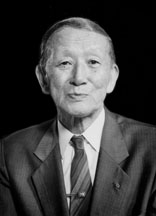
Shinichi Suzuki, 1898-1998
Playing at home (practicing)

Frequent home practice and listening to recordings of pieces being studies are keys for making progress.
Duration and repetition are much less important than developing a habit of practicing with a strong, intentional mindset. It’s important to play often enough to continually make progress; this is the main preventative for discouragement.
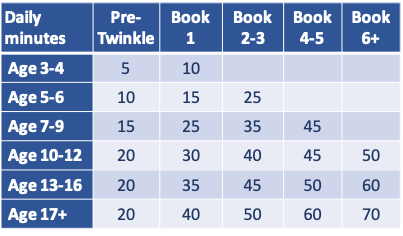
Below are some general guidelines for daily durations that should equate to a decent rate of progress:
Starting at 3-5 years old?
Youngest age to start at Passage is 3 years old. Parents should expect their young beginners (3-6 years) to be working on muscle memory games for quite some time. They will also rely on the parent to organize consistent home practice times. Parents also should expect to keep track of lesson homework, and lead practice sessions as a Home Coach.
The benefits of starting early include enhancing brain connections during crucial periods of early childhood development, special bonding time with the parent, and the building of muscle memories which will allow for rapid progress later. Progress is made in small increments, requiring patience and the ability to spot and celebrate mini-milestones.
Seeds planted this early WILL blossom if lovingly nurtured!

Parents who start their children early with hopes for their child to progress independently, or envision their child will play complete songs within a few months often become disillusioned and quit.
Please be sure you’re starting a young one for the right reasons, and with realistic expectations for the journey!